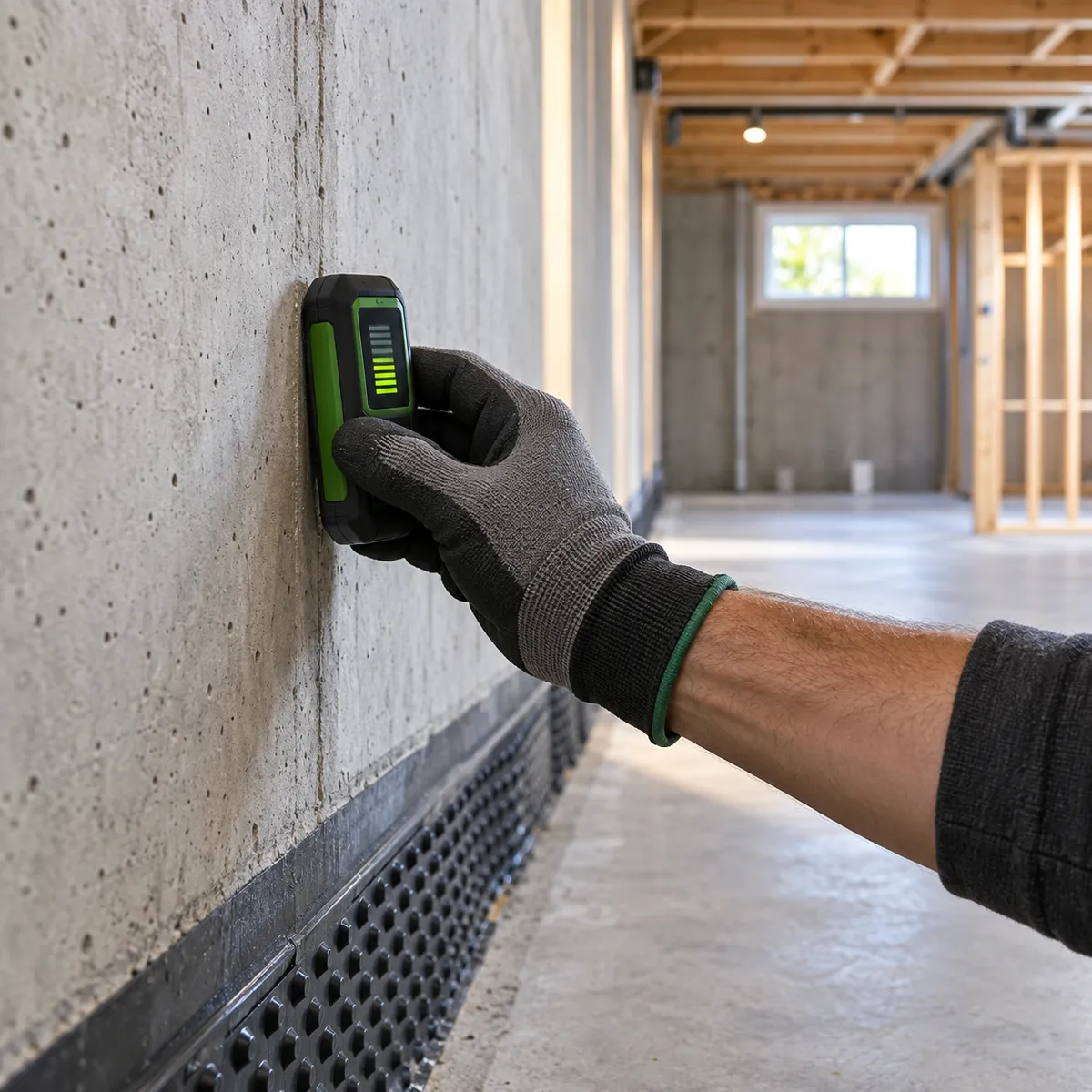
Basement Moisture Before Finishing
"A beautiful finished basement starts with a dry, stable foundation. Learn the warning signs of moisture, where it comes from, and what should be addressed before walls and flooring go in."
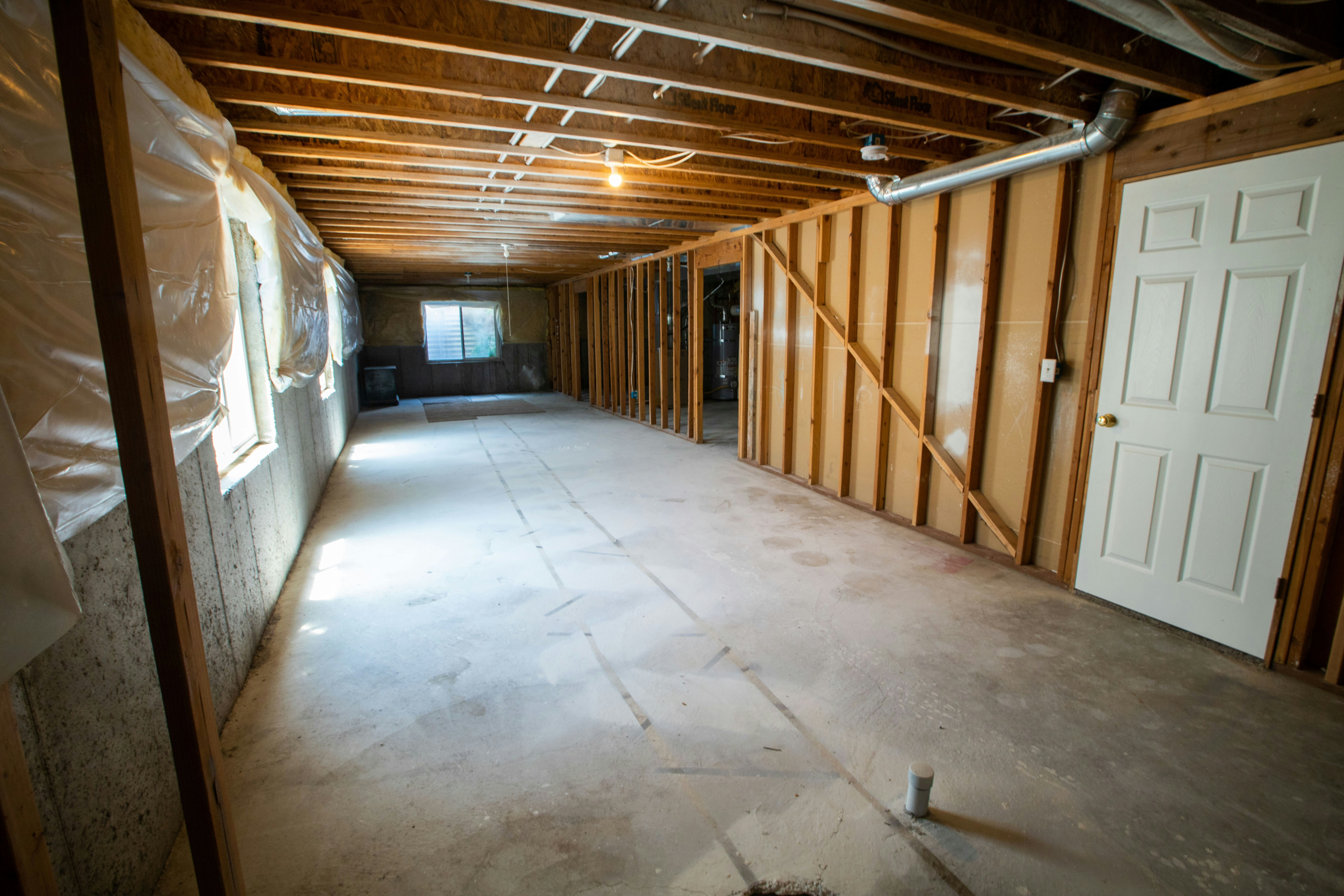
A Finished Basement Starts With Moisture Control
A basement renovation is an opportunity to add comfortable, useful living space to your home—but the finishes are only as reliable as the conditions behind them. Before framing walls, installing insulation or choosing flooring, it is important to understand whether moisture is entering the basement and why.
Basements naturally face more moisture pressure than above-grade rooms because much of the structure sits below ground. That does not automatically mean a basement has a serious water problem. It does mean moisture should be assessed before it is covered by drywall, flooring and built-in finishes.
At Bloom Construction, we believe the right order is simple: identify the source, correct the problem and then build the finished space.
Common Signs of Basement Moisture
Moisture is not always as obvious as standing water. Before planning a basement finish, look for:
A persistent musty or earthy smell
Damp or discoloured areas on concrete walls or floors
White, powdery mineral deposits on masonry, known as efflorescence
Peeling, bubbling or blistering paint
Warped trim, wood or laminate flooring
Condensation on windows, pipes or other cold surfaces
Rust on metal items or mechanical equipment
Visible mould or recurring dark staining
Water appearing after heavy rain or during spring snowmelt
These signs do not all point to the same repair. A damp room caused by high indoor humidity requires a different solution than water entering through a foundation crack. That is why finding the source matters more than simply covering the symptom.
Where Basement Moisture Comes From
1. Water around the foundation
Poor grading, clogged eavestroughs or downspouts that discharge too close to the house can allow rainwater and snowmelt to collect near the foundation. Over time, that water may find a path through cracks, joints or other vulnerable areas.
A good first step is to make sure the ground directs water away from the home and that the roof drainage system is clean and functioning properly.
2. Foundation cracks or penetrations
Cracks, gaps around utility penetrations and vulnerable window-well areas can become entry points for water. Some cracks remain dry and stable, while others leak only during certain weather conditions. Their location, width and activity should be evaluated before the wall is enclosed.
3. Plumbing leaks
Slow leaks around supply lines, drains, laundry equipment, water heaters or bathrooms can create hidden damage. Even a small leak may affect insulation, framing and drywall if it continues unnoticed.
4. Condensation and high humidity
Warm, humid air can condense when it reaches cooler basement walls, floors, pipes or windows. This is especially common during warm weather. Health Canada recommends maintaining indoor relative humidity between 30% and 50%; a basic hygrometer can help homeowners monitor it.
Opening basement windows is not always the solution. On a warm, humid day, it can introduce more moisture into a cool basement. Depending on the conditions, a properly sized dehumidifier, air conditioning or improved ventilation may be more effective.
5. Drainage or sump-system issues
Some homes rely on foundation drainage and a sump pump to manage groundwater. A blocked system, failed pump or missing backup plan may become a problem during a major storm or power outage. Existing equipment should be reviewed as part of the renovation assessment.
Why Moisture Must Be Addressed Before Finishing
Installing new materials over an unresolved moisture problem does not make the problem disappear. It can make it harder to detect and more expensive to repair later.
Moisture can damage drywall, insulation, flooring, trim and cabinetry. It can also create conditions that allow mould to grow on damp building materials. Health Canada advises correcting the moisture source promptly because mould will return if the underlying cause remains.
This is why we do not treat waterproof-looking finishes as a substitute for diagnosis. Moisture-resistant products can be useful in the right locations, but they still need to be part of a complete, properly planned assembly.
What a Pre-Renovation Moisture Review Should Include
Before construction begins, a practical basement review may include:
Inspecting foundation walls and the concrete floor for stains, cracks and efflorescence
Looking for visible water entry around windows and utility penetrations
Reviewing grading, eavestroughs and downspout discharge outside
Checking plumbing, mechanical equipment and exposed pipes
Asking when moisture appears—after rain, during snowmelt or in humid summer weather
Measuring indoor relative humidity
Reviewing sump-pump and drainage conditions where applicable
Identifying materials that may already have water damage
More complex situations may require input from a qualified waterproofing contractor, building professional or engineer. The goal is to define the problem clearly before choosing a repair.
Building the Finished Basement the Right Way
Once moisture conditions are understood and corrected, the basement can be designed around comfort, durability and long-term performance. The exact wall, insulation and flooring approach will depend on the home, existing construction and applicable permit requirements.
A well-planned basement finish should consider:
Appropriate insulation and air-sealing details
Moisture-conscious material choices
Proper heating, cooling and ventilation
Access to shutoffs, cleanouts and mechanical equipment
Plumbing and electrical requirements
Local building-permit and inspection requirements
A layout that protects the home's systems while maximizing usable space
The best finished basements are not only attractive on the day they are completed. They are designed to remain comfortable, serviceable and durable for years.
Planning a Basement Finish in the Western GTA?
If you are considering basement finishing in Mississauga, Oakville, Burlington, Toronto or the surrounding western GTA, start with the conditions you already have—not the finishes you want to cover them with.
Bloom Construction can help you review your basement, discuss your goals and plan the work in the right sequence. From moisture considerations and layout planning to construction and final details, we focus on building a space that looks finished because it was properly planned from the beginning.
Book a free 20-minute basement consultation to discuss your space and the next steps.
(This article provides general educational information. Moisture conditions vary by property, and significant water entry, structural movement, widespread mould or flooding should be assessed by the appropriate qualified professional.)
